Precious metal trading platform

An effort to consolidate balances of different metals across countries and business units


The starting point

A worldwide provider of manufacturing prime material looking to upgrade one of their businesses through digital transformation came to us (Foolproof). Their metal trading portal for customers felt outdated and non-cohesive, and could potentially be causing them to lose business on account of better competitors’ platforms.

After unpacking the initial roadmap the company had from a previous vendor and setting the goal of reducing the cost to serve by increasing the self-serve functions on the platform, we could agree the main objective of our work was to prove the following hypothesis:

‘A consolidated view of the metal held by accounts, no matter the service provided or the location of the customer, could potentially lead to happier more independent customers. As well as freeing the time for customer reps to gain time back.’


👥 My role

UX Designer, supporting research with UX consultant, and guiding the work of the junior UI designer | Collaborating with business and data analysts, developers, a part-time copywriter, and a service designer.

🔧Skills applied

Wireframing | Usability testing | User journey mapping | Prototyping | Handover to developers | Stakeholder management | B2B experience principles
 

The process


Starting with a POC

The first 2 months of the engagement with the business were under a contract to create a proof of concept. We tried to get stakeholders acquainted with user-centred design practices, scratched the surface of the needs of customers via research and produced a prototype that was also tested with actual customers.

User proxy research

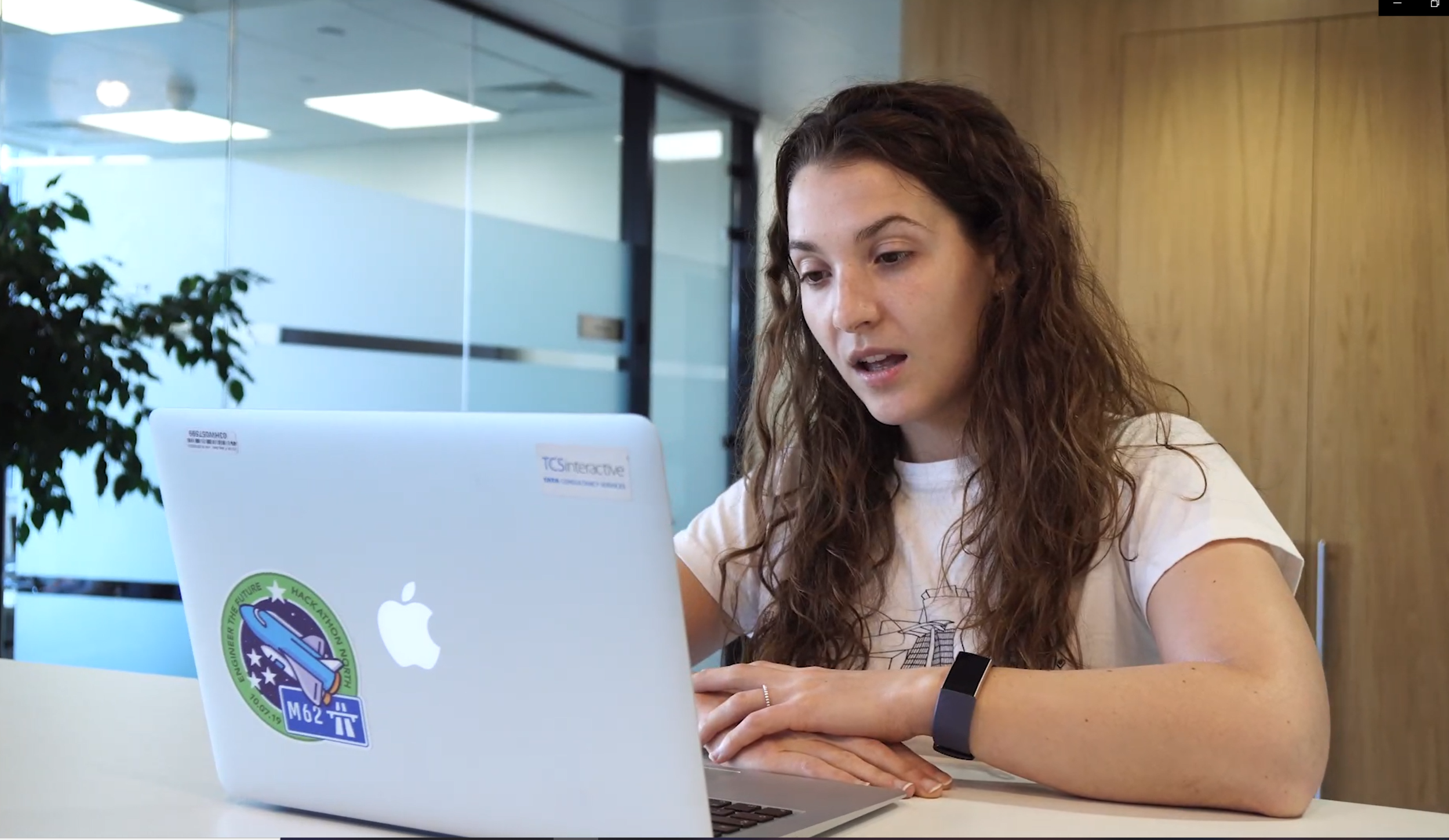
As I have found with many B2B companies, it’s hard to gain access to customers. It’s understandable since they feel their reputation is on the line each time we are conducting primary research. For most of our involvement, we conducted interviews and tests with SMEs (Subject Matter Experts), and anyone that was in direct contact with the customer.

Addressing many needs

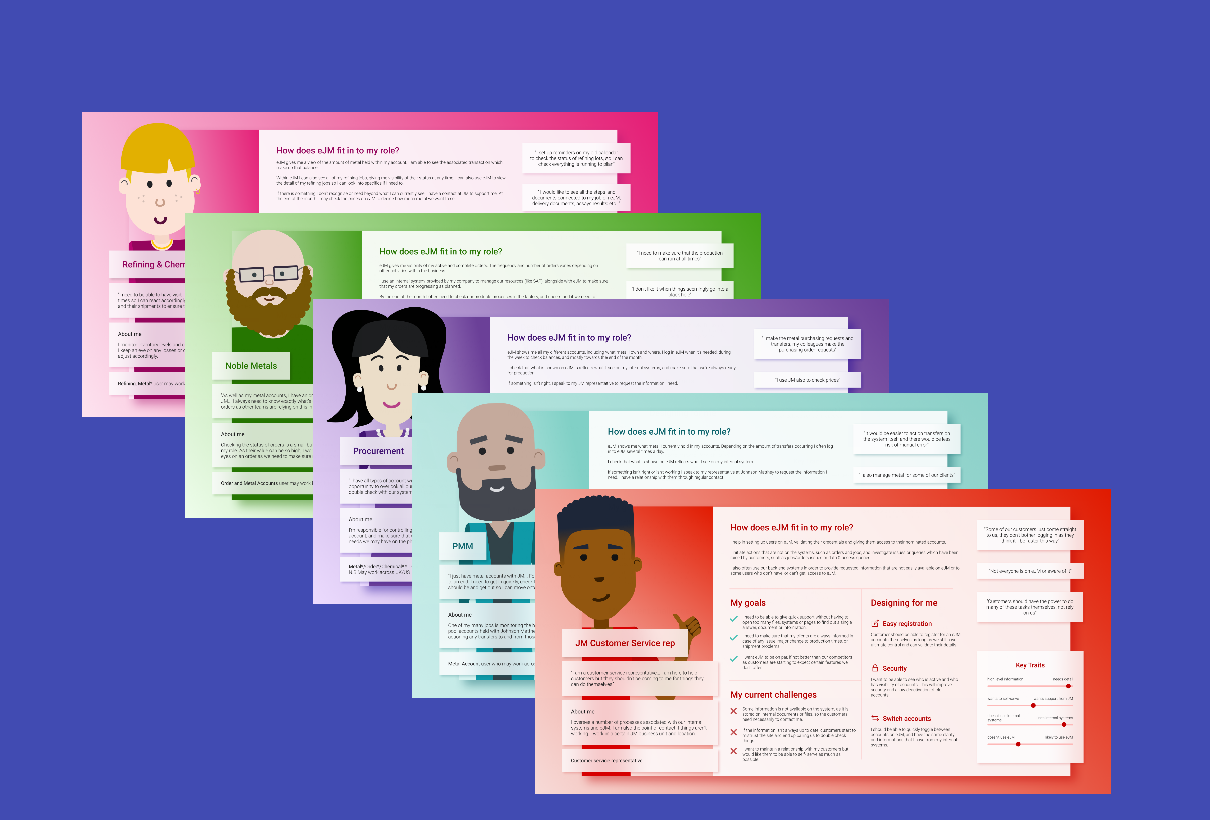
The needs of different user groups made us consider our design choices more carefully. We had to make a distinction not only by the type of service the customer was receiving (refining, ordering products, or just trading metal), but by whether the person interacting with the platform was someone working in procurement or manufacturing, by industry, and even by company size.

"Some of our customers just come straight to us, they don't bother logging in as they think it'll be faster this way"

pexels-mart-production-7709132.jpg

Design and build

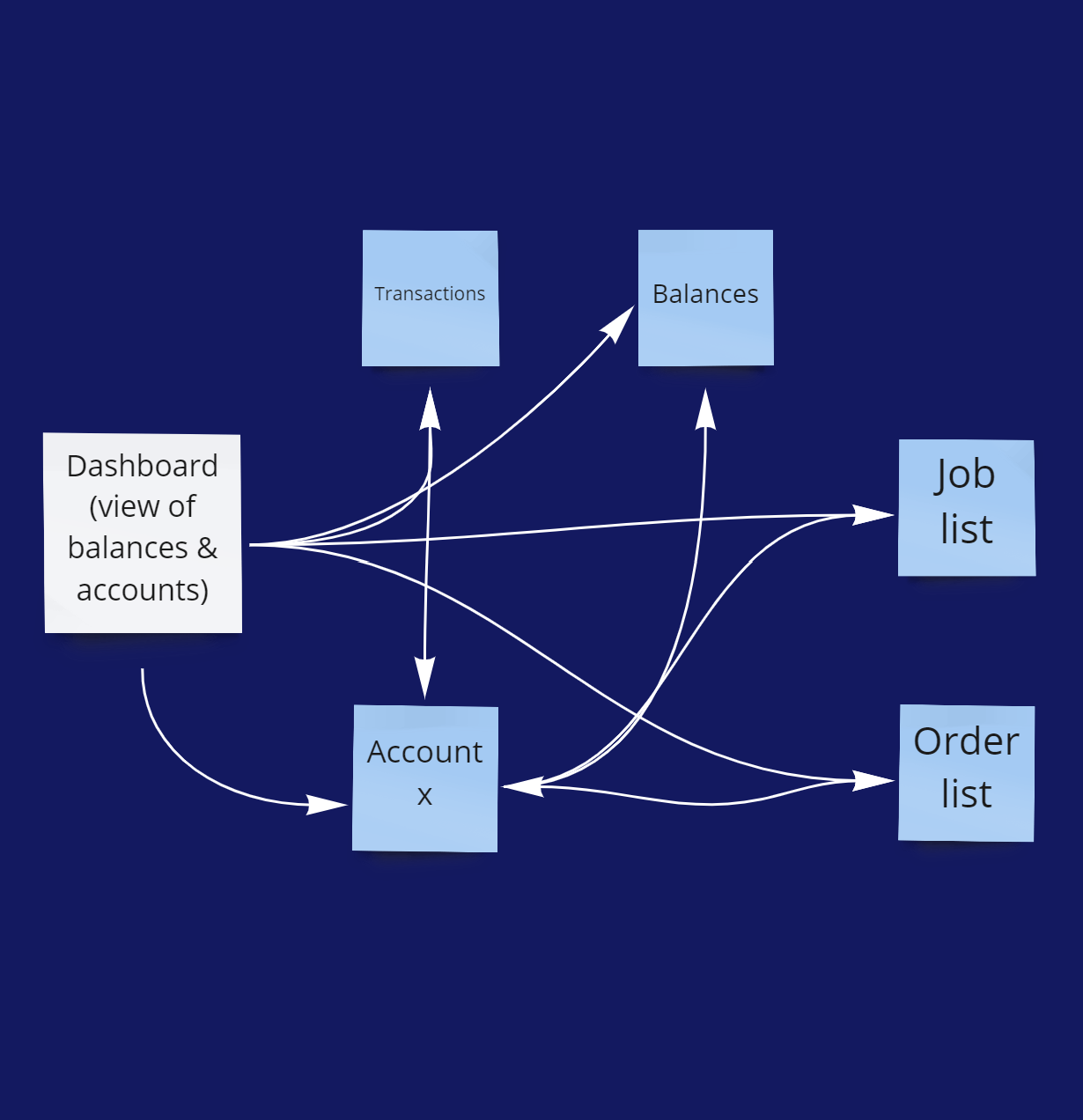
After the POC (Proof of Concept), we changed our ways of working with the goal of designing the product end-to-end. First, we focused on getting the dashboard right - since it was the cornerstone of the consolidated view. Then, we had a clear principle of what the site’s information architecture should be like, so the sections on the nav bar matched the types of services the customer expected to obtain, and therefore we addressed each one of those based on the release dates on the product roadmap.

Working with specialists

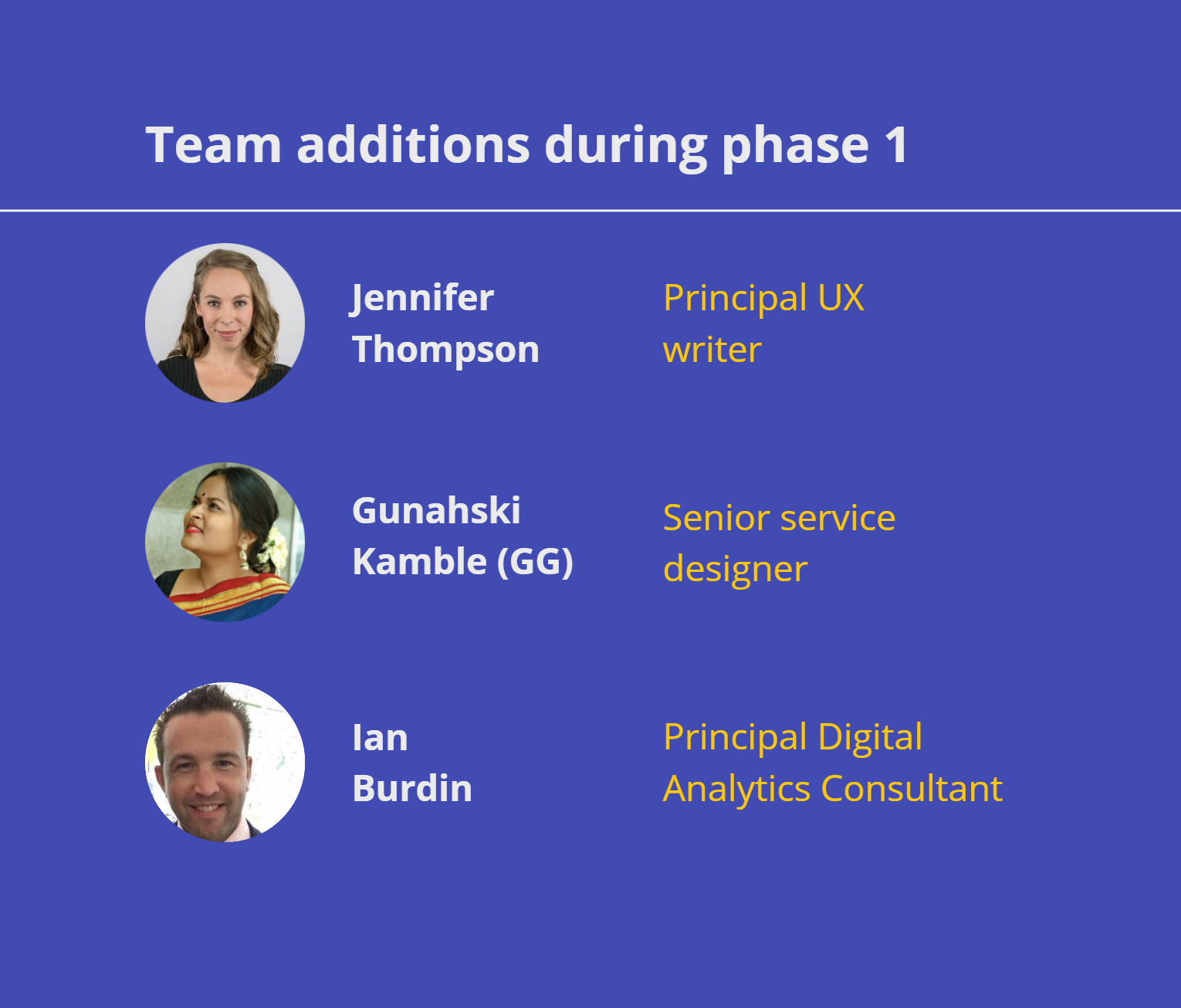
To deliver a quality end-to-end concept, we were able to onboard a service designer, a copywriter and a data analyst as part of the experience team. I found it particularly interesting working with the content expert on our team to chose the right language that abided by legal and business contraints but also made the platform better for users.

Dealing with constraints

Whether it was the business or the development team or the data architects, the design team had to chose wisely which battles to fight. We were the users' advocate and that meant we had to educate, but also remain open, listen and assess which obstacles were real and which ones were a pre-concieved notion of how things should be.

“I can’t wait to put this in front of customers” - SME during an interview

pexels-tima-miroshnichenko-7567218.jpg

The outputs & outcomes

After the POC (Proof of Concept), we started working on a product that focused on displaying the most used and relevant information to various users. It was a challenge to address the very diverse needs of this specialised group of users. In addition to that, business restrictions and silos inside the organisation made our progress slow and constrained our possibilities. Despite all that, we were able to deliver a product the business was proud of showing to its customers. Many workers inside the organisation were excited about the future launch.

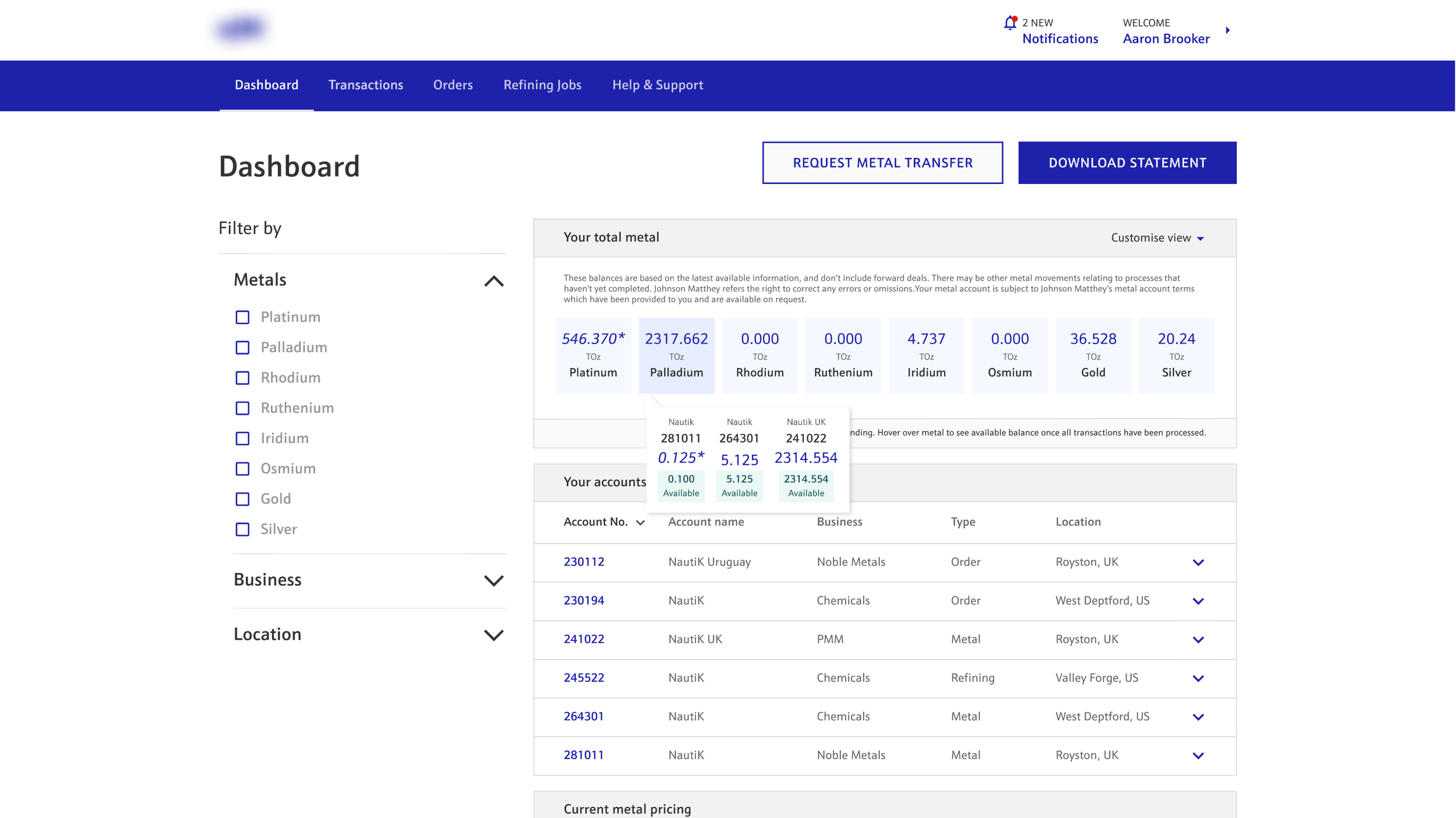
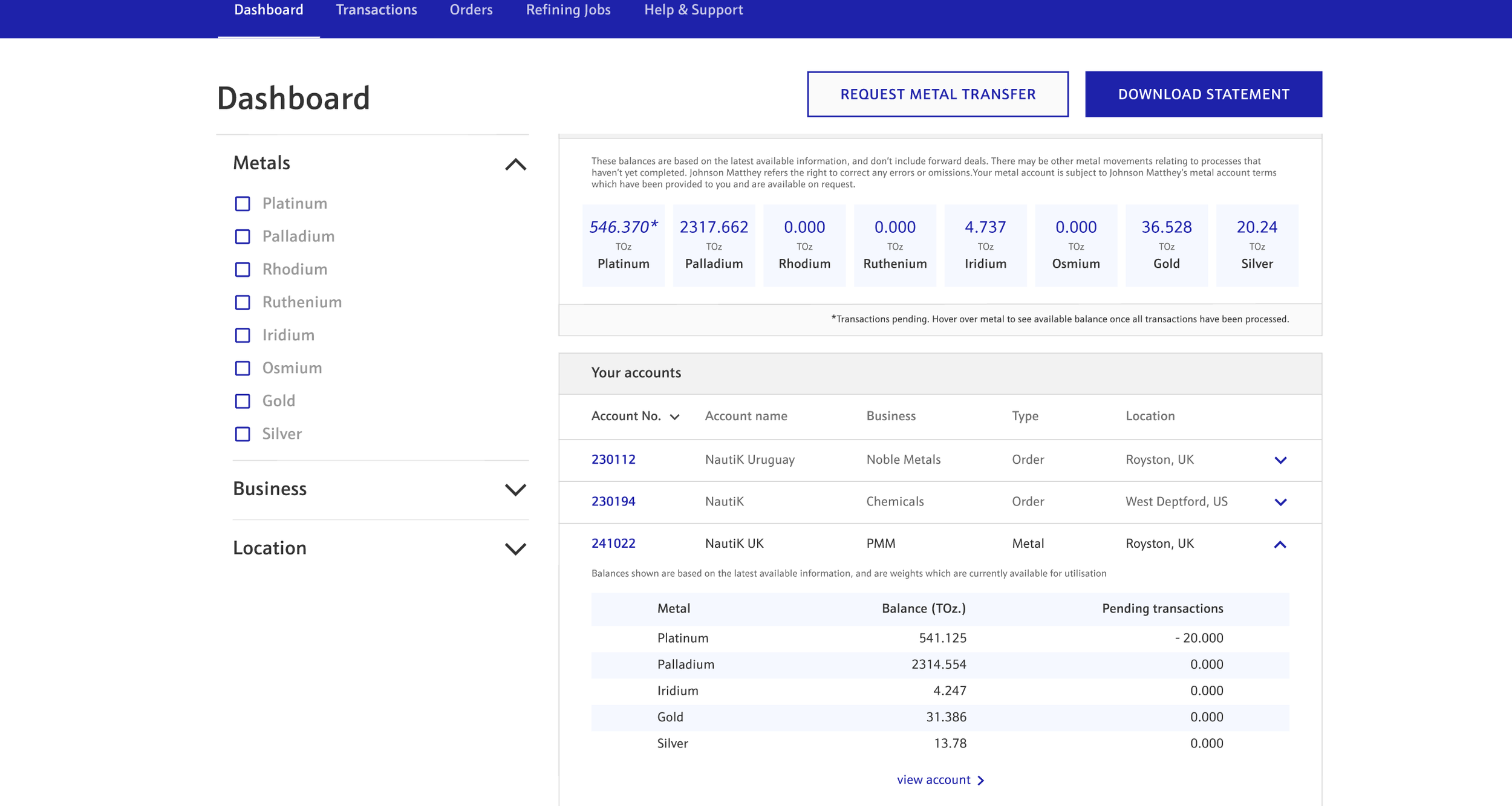
The solution, as mentioned in a previous section, revolves around a dashboard where customers can view their metal balances like never before. Whether it’s by element or at a specific account level, users can now dig deeper without leaving the page. Given that many of our research insights pointed to users just wanting to know the basics about their balances, we could say our solution meets that need.

When hovering over the different metals on the first widget users can see the respective amount per account.

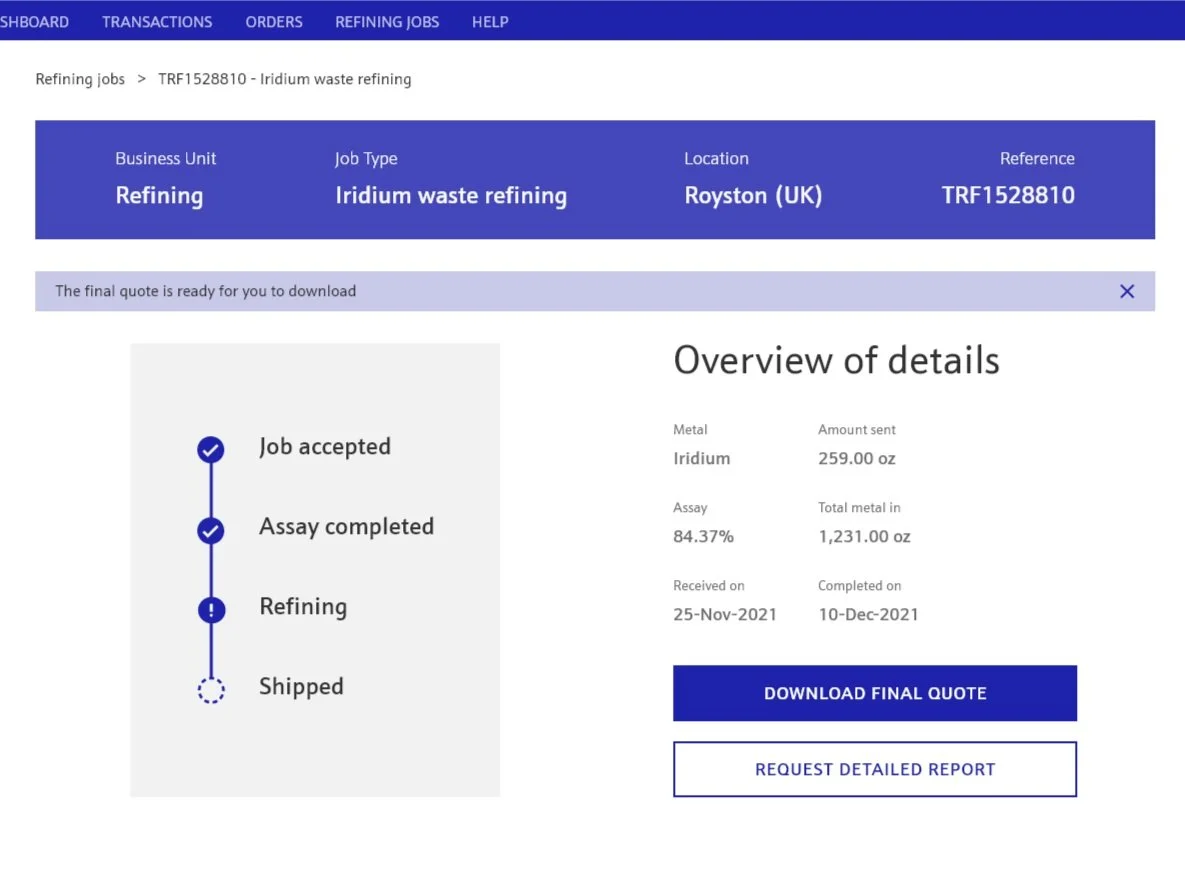
When unfolded, each account provides an overview of the balances, orders or refining jobs relevant to the users.

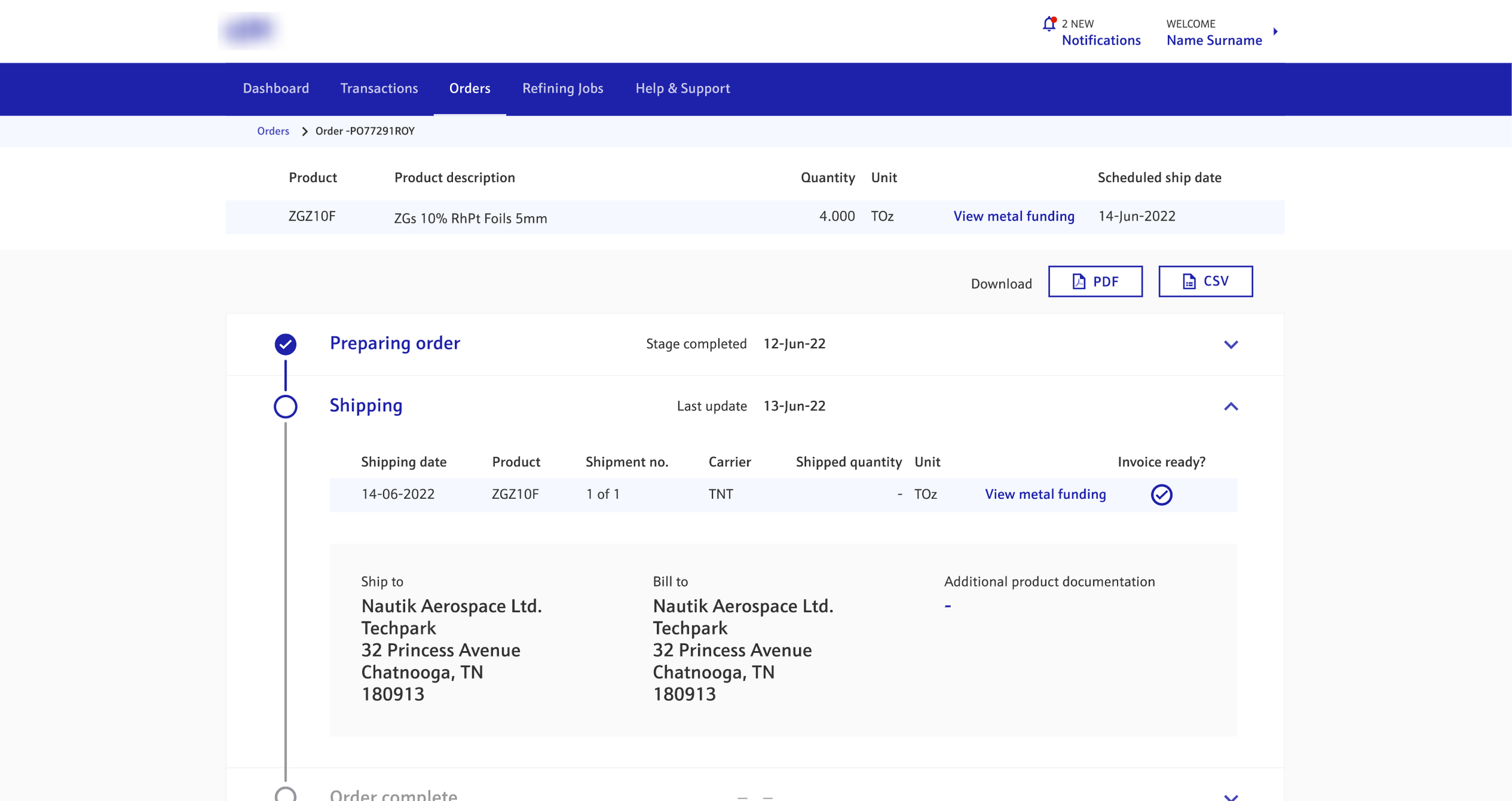
Individual orders can now be tracked (from status to documentation generated), meaning customers no longer have to call or email as much.

For a more detailed walkthrough of these designs, reach out to me via LinkedIn


The future of this platform

Since the designs were finally handed to developers, an additional version with fewer features was also prototyped to allow for an interim state of the platform due to issues with the original delivery dates (due to complications with data architecture). The platform should be expected to be up and running by the end of 2022.

This engagement was just the beginning for this platform, the roadmap for this precious metals services provider has more functions to be built, tested and refined.