

The starting point
This large organisation had been working since 2019 on a key programme to improve the employee experience. The initial quantitative research conducted by the company showed a disproportionally smaller representation of colleagues from black, Asian and mixed heritage backgrounds. This decrease in diversity was especially noticeable in positions where seniority was required.
In 2020 we were approached to discover the reasons behind the figures, as well as proofing the programme that was in the making to turn around the current lack of diversity in certain parts of the organisation.
‘We wanted to understand the perception of BAME employees on their experience at work, both from the graduate and D-level managers’ perspective’
👥 My role
Lead UX Researcher: I was in charge of building the research plan as well as ensuring my peers would conduct rigorous ethical research.
🔧Skills applied
Research planning|Conducting user interviews|Affinity mapping|Leading a team to conduct qualitative research|Workshop planning|Communicating research outcomes
The approach
Unpacking assumptions
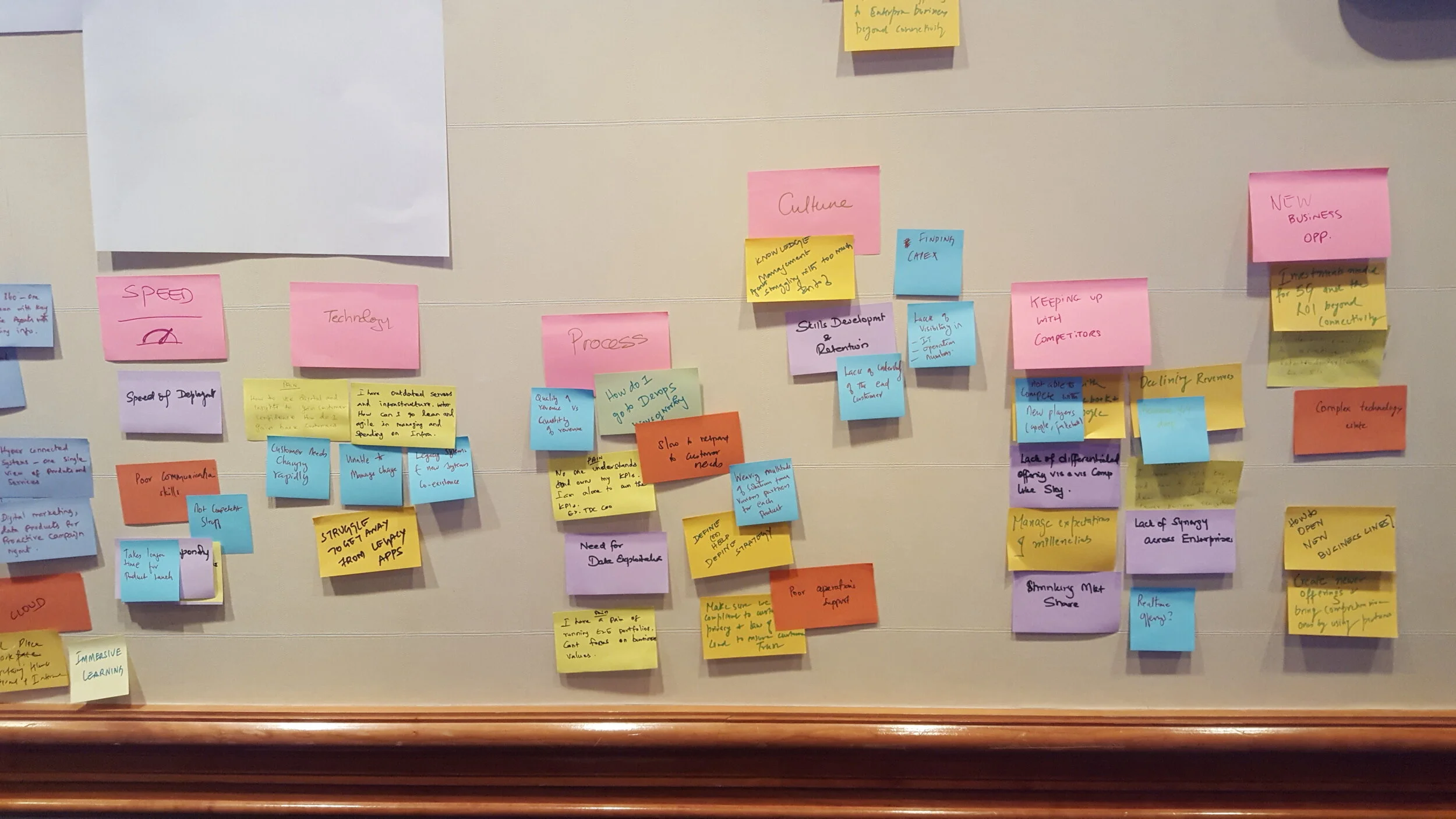
Initially, we had a look at some existing data from trends regarding employee segments by basic parameters like age, grade… Thanks to the review of secondary research and the insights from stakeholders we were able to articulate a research plan.
We also had to justify our research planning rationale to stakeholders who were not familiar with qualitative research practices.
sampling
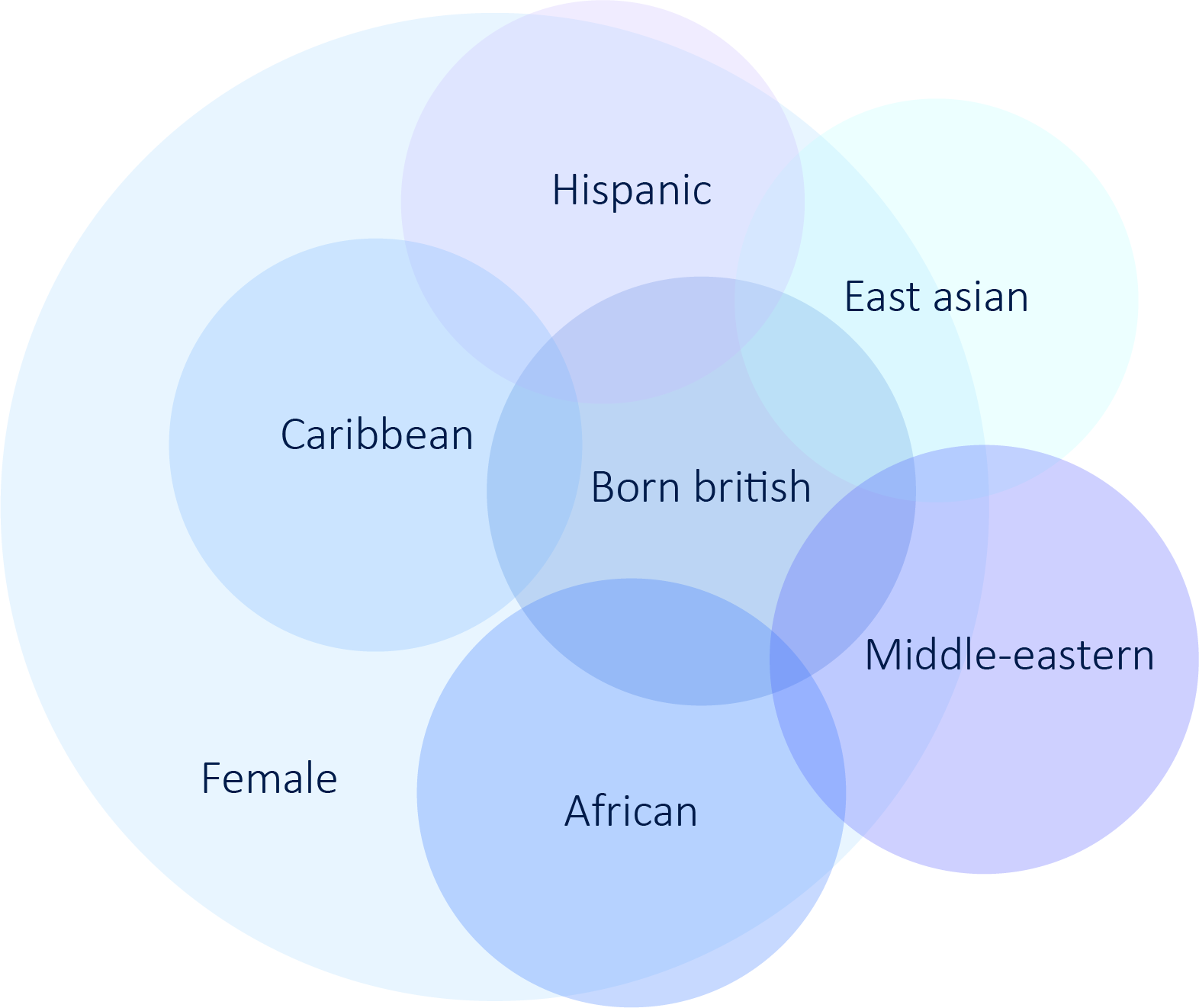
We agreed with the stakeholders, the critical points in the BAME employee experience were those initial steps and considering a long-term career after their graduate placement. Hence the two samples to be explored included grads and D level managers. In addition to that, we needed to make sure we included a balanced sample in regards to the background and also account for intersectionality, with features like gender.

Methods
Because of the nature of the topics we were to cover with participants, we needed to prioritise 1-on-1 methods over group exercises. So for our initial research piece, we conducted semi-structured interviews. However, given the reach of the programme, stakeholders wanted to drastically increase the size of our sample in a short period of time. We reached a compromise by conducting some carefully outlined workshops.

The issue:
Loss of diversity
coming from a lack of representation at more senior positions
Communicating the outcomes
After conducting the interviews, we were able to process the data through affinity mapping, the main topics were clustered and presented back to stakeholders in a simple format, connecting each insight to the specific pieces of data that pointed to it. That was our compromise to the transparency and rigour of our work. Here is a sample of the first report done for the research piece with graduates**.
For the second piece of work, the one regarding the workshops, we were able to collect both insights through affinity mapping from some of the reflection exercises, plus feedback on the programme the organisation was already preparing. The presentation to stakeholders included actionable steps to improve the programme´s outline.
**Given the sensitivity of the material at hand, I can show only certain fragments of the work that has been de-branded and stripped of any mentions to the original customer.
The impact of this piece
I loved working on this topic, being able to conduct challenging research was very stimulating. Given the topic, it is hard to make participants open up or feel safe sharing their views, and it is thanks to a knowledge of interview facilitation practices and experience that we could overcome that.
In addition to that, we were able to give a strong compelling voice and concrete advice based on what real people struggle with when it comes to ethnicity in the corporate environment. This organisation is taking social matters seriously, and that is really inspiring.
Finally, it was my first official experience leading a team in the field of research. I was pleased to see how much I have matured my research skills, and I look forward to being a lead researcher again.